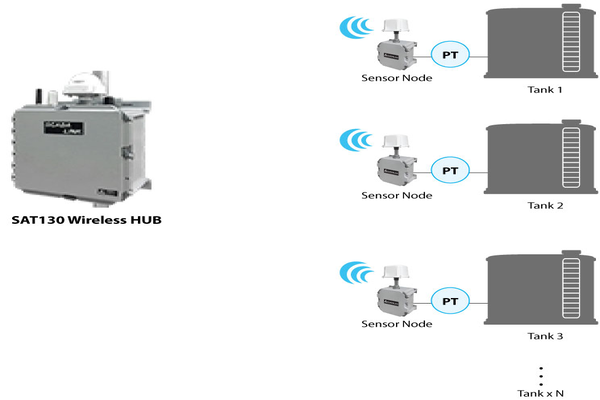
Satellite-Based Remote Monitoring
Satellite-Based Remote Monitoring is one way of real-time monitoring or tracking the missing data remotely. Satellite Monitoring is also used in the agribusiness chain. The use of satellite data helps the farmers to assess essential information regarding the field.
The benefits of using a Satellite Monitoring System in the agricultural fields are – it is cheaper, helps in monitoring the large areas of the field for a longer duration. This system helps the farmer to monitor and manage small and large agribusiness remotely. In addition of all these benefits, this system also provides weather forecast to the farmers so that they can cultivate their crops easily and thus ensure no crops gets damaged due to bad weather.
Real-time use of Satellites
- Weather Satellite is used to track and monitor the climate and weather of the earth remotely. It also helps in monitoring the volcanic ash cloud and smoke from fires.
- Navigation Satellites are used to track the exact location of a person in ships or boats.
- Remote Sensing Satellites are used to observe and measure our environment remotely from a certain distance. It is also used to monitor the available resources that are essential for humans.
- Environmental satellites are used to monitor the environment by measuring changes in the Earth’s vegetation, sea state, ocean color, ice fields, droughts, etc.
Benefits and Features of Satellite-Based Remote Monitoring
- System reliability: Historic data used for predictions helps to increase the system reliability and safety by 15%.
- Transparency: This system helps to maintain the transparency of work processes by raising automatic alerts and messages for any upcoming risk in the processes.
- Predictive-based maintenance: This system can maintain the ongoing processes based on the actual condition of the assets.

- Automatic Maintenance: This solution can automatically maintain the risk analysis by managing several ongoing operations in the system.
- Reduce Costs: This solution can reduce the internal operation costs by up to 35% by replacing the expensive inspection processes with condition-based maintenance.
- Customization of Risk Analysis: This solution can control the risk analysis by customizing your requirements.