Vessel and Fisheries Management
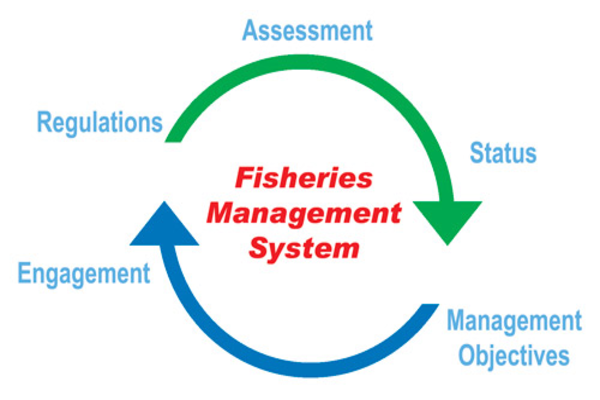
The main aim of Fisheries Management is to produce social, biological, physical and economic benefits from different aquatic resources. Fisheries management involves production from various fisheries resources available. Monitoring of Fisheries Management involves continuous measurement of the fishing characteristics, species composition, area of operations, catch and the required resources produced. Fisheries management comprises of the following features as Data analysis and collection, Implementation, Establishment of a regulatory framework, etc.
Measures for Efficient Management of Fisheries
- Taxes: Taxes are imposed on fishing efforts to control the use of fishing efforts. Also due to limited production of fish and increase in demand, the fisherman has increased the price of fish to meet the increased costs of fisherman.
- Individual Fish Quotas: This system helps the fisherman to change the way of their daily investments and change in gear, fisheries strategies, and vessels to increase the profits from the business.
- Limited Number of Fishing Units: Fisheries management can be made efficient by controlling the fisheries inputs by limiting the number of different units of fishing. Fish catch amount can be made desirable by making the vessel of proper size and properly equipped.
- Marketing in Fisheries Management: Fish is a highly sensitive food item and buyers always want to buy fresh fishes. So, there is a need for a quick supply of these fishes to ensure a better quality of fish can be delivered to the buyers. So the marketing of these fishes is required so that it can be quickly sold.
Regular monitoring of water parameters is required to monitor the fish in a pond. These parameters include PH, Turbidity, Temperature, Dissolved Oxygen, Microbial Load, Pollutants or Fish wastes, etc. The level of these parameters should be controlled in a way to increase the overall production of fishes in a pond.

Apart from these parameters, some other parameters such as pond filters, aqua plants, location of the pond, removal of dead organic matter, overfeeding will help to keep the pond water clean and thus ensure the long life of the aquatic animals. All of these parameters should be maintained to succeed in the fish farming business and to make more profit in the business.